
genuine parts of automatic tensioner for weichai diesel engines
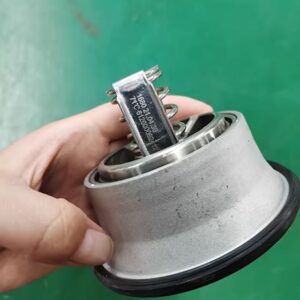
Weichai WP6H spare parts of diesel engine, genuine automatic tensioner with torsion spring and hydraulic damping system, belt tensioner for batching plant, forklifts, engine generator set, telehandler
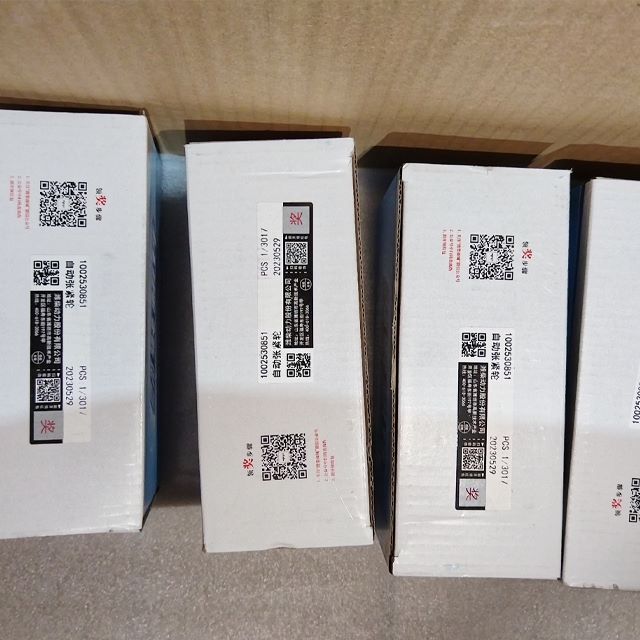
The automatic tensioner in a Weichai internal combustion engine is a component within the belt drive system designed to maintain the optimal tension of the drive belt. Its primary function is to prevent slippage, tooth skipping, or damage to engine accessories caused by excessive tension.
What is the purpose of an automatic tensioner in a Weichai engine?
The automatic tensioner utilizes an internal torsion spring or a hydraulic mechanism to apply constant pressure to the belt. As the engine accelerates, the belt tends to stretch; the tensioner automatically compresses its spring to compensate. Conversely, during deceleration, it adjusts in the opposite direction to prevent the belt from becoming too tight. This ensures stable power transmission to accessories such as the alternator, water pump, and air conditioning compressor, while simultaneously reducing belt vibration and noise.
Main classifications of automatic tensioners for Weichai engines:
By installation location: Accessory belt tensioners (for alternator belts, A/C belts, etc.) and timing belt tensioners.
By tensioning mechanism: Mechanical spring-loaded automatic tensioners and hydraulic (oil-damped) automatic tensioners. Hydraulic tensioners provide smoother adjustment, making them well-suited for engines sensitive to vibration.
When should a Weichai engine automatic tensioner be replaced?
- A persistent "squeaking" or "chirping" noise near the engine belt, which becomes sharper as engine speed increases.
- Noticeable jumping or fluttering of the belt while the engine is idling.
- A smell of burning rubber during rapid acceleration.
- The tension indicator mark has shifted significantly away from its center position.
The tensioner is a wear item; it is generally recommended to have it inspected or replaced every 60,000 to 80,000 kilometers, or every 3 to 5 years. Open the hood and listen to locate the source of any noise. If external accessories—such as the water pump or alternator—have been checked and are not the source, the issue may lie with the timing belt tensioner bearing, which requires removing the timing cover for inspection. If you rotate the bearing by hand and feel any resistance, sticking, or hear unusual noises, it is damaged and must be replaced. When replacing the belt, it is recommended to also replace the tensioner and idler pulley. Mixing new and old components can lead to uneven stress distribution; furthermore, a new belt may experience accelerated wear if the old tensioner has lost its proper tension.